Arthroscopy
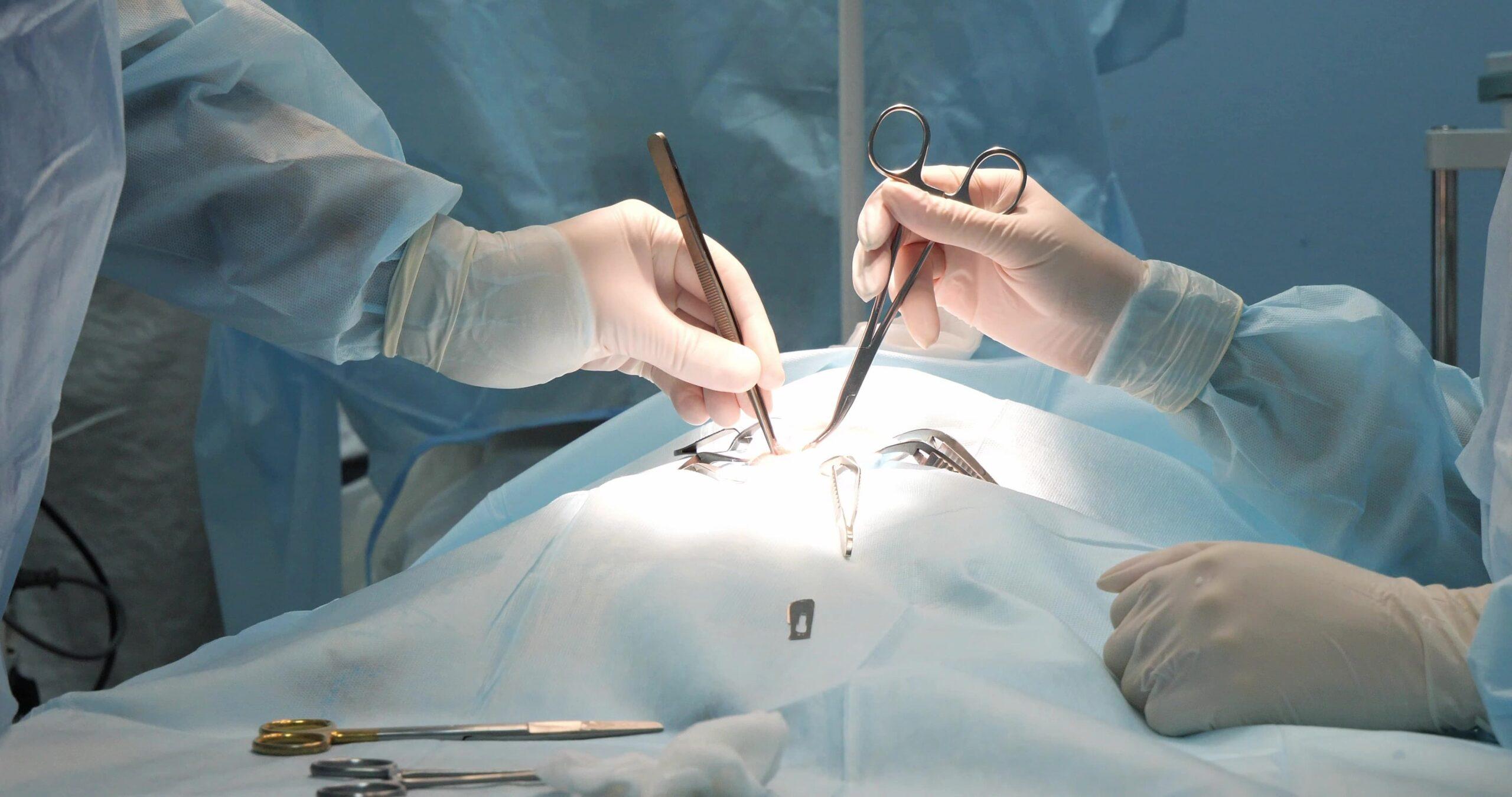
Arthroscopy is a minimally invasive surgical procedure used to evaluate and treat joint conditions in horses. Using a specialized camera and surgical instruments inserted through small incisions, arthroscopy allows veterinarians to assess cartilage, bone, ligaments, and joint structures directly.
Arthroscopy may be recommended for:
- Joint fragments.
- Osteochondrosis lesions.
- Chronic joint inflammation.
- Cartilage injury.
- Lameness evaluation and treatment.
Because the procedure uses smaller incisions and causes less tissue disruption than traditional open surgery, arthroscopy often supports improved recovery and reduced post-operative discomfort.
Castration
Castration is a common surgical procedure performed for reproductive management, herd management, behavioral modification, and injury prevention. Depending on the species, age, and health of the animal, the procedure may be performed standing or under general anesthesia.
Our veterinary team evaluates each animal individually and provides pain management, surgical planning, and recovery guidance to support a safe outcome.
Dental Surgery
Advanced dental disease, fractured teeth, oral infection, and other dental abnormalities may require surgical treatment to restore comfort and oral function. Dental surgical procedures may include:
- Tooth extractions.
- Abscess treatment and drainage.
- Treatment of oral masses or growths.
- Advanced dental evaluation and imaging.
We also perform professional cleanings under anesthesia to protect your pet’s teeth and gums.
Flexural & Angular Limb Deformity Correction
Limb deformities in young animals can affect growth, joint alignment, movement, and long-term soundness if left untreated. Early evaluation is important to determine the severity of the condition and identify appropriate treatment options.
Treatment recommendations may include:
- Hoof management.
- Splinting or supportive therapy.
- Nutritional management.
- Surgical correction when indicated.
Our veterinary team develops individualized treatment plans based on the animal’s age, growth stage, severity of deformity, and long-term prognosis.
Laceration Repair
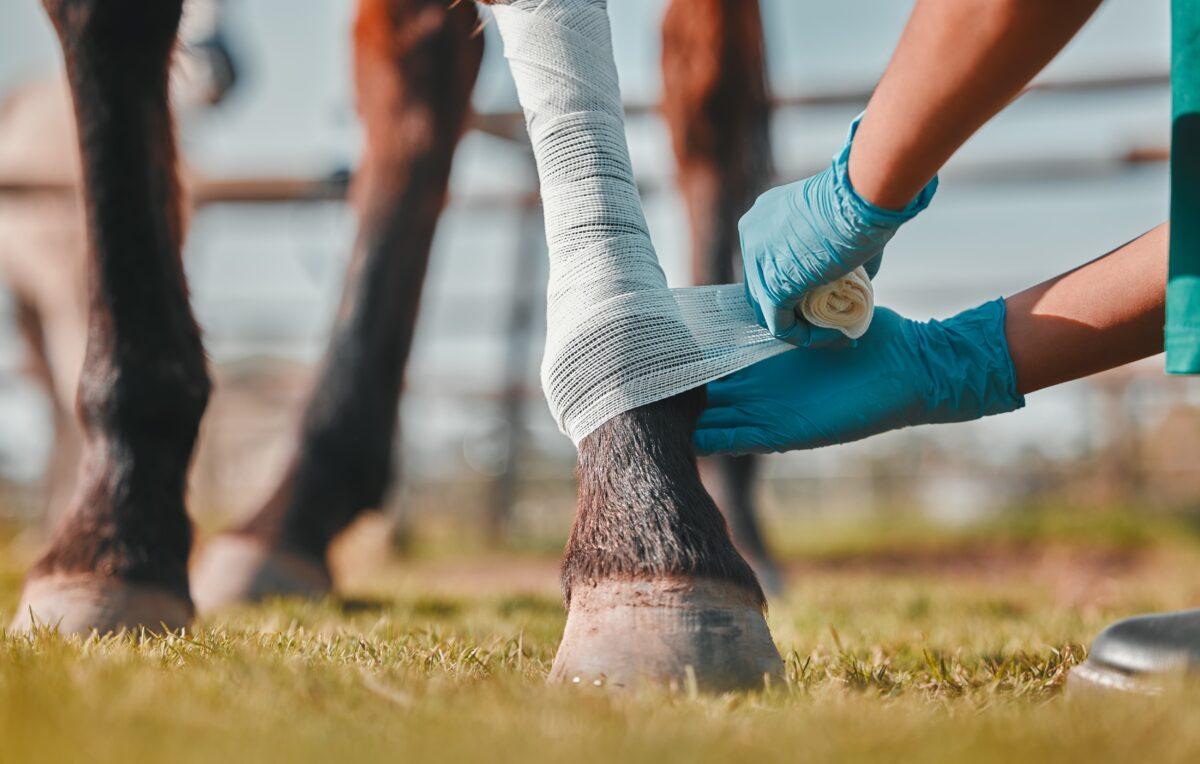
Traumatic injuries, deep lacerations, puncture wounds, and tissue damage often require prompt veterinary treatment to reduce infection risk and support proper healing.
Surgical wound management may include:
- Wound cleaning and debridement.
- Suturing and tissue repair.
- Drainage placement.
- Bandaging and aftercare.
- Infection management.
Early treatment is often important for improving healing outcomes and reducing long-term complications.
Laparoscopy
Laparoscopy is a minimally invasive surgical technique that uses a small camera and specialized instruments inserted through small incisions to examine or treat structures within the abdomen.
In horses, laparoscopy may be used for:
- Reproductive procedures
- Cryptorchid surgery
- Biopsy collection
- Certain minimally invasive surgical interventions
Compared to traditional open surgery, laparoscopy may offer reduced tissue trauma, smaller incisions, and shorter recovery times in appropriate cases.
Mass & Tumor Removal
Whether your animal has a visible lump or an internal growth discovered through imaging, we can surgically remove masses and send tissue samples for diagnostic testing. Early removal can prevent complications and provide peace of mind, especially if cancer is suspected.