
Surgery

Accepting New Patients
Weekend Hours

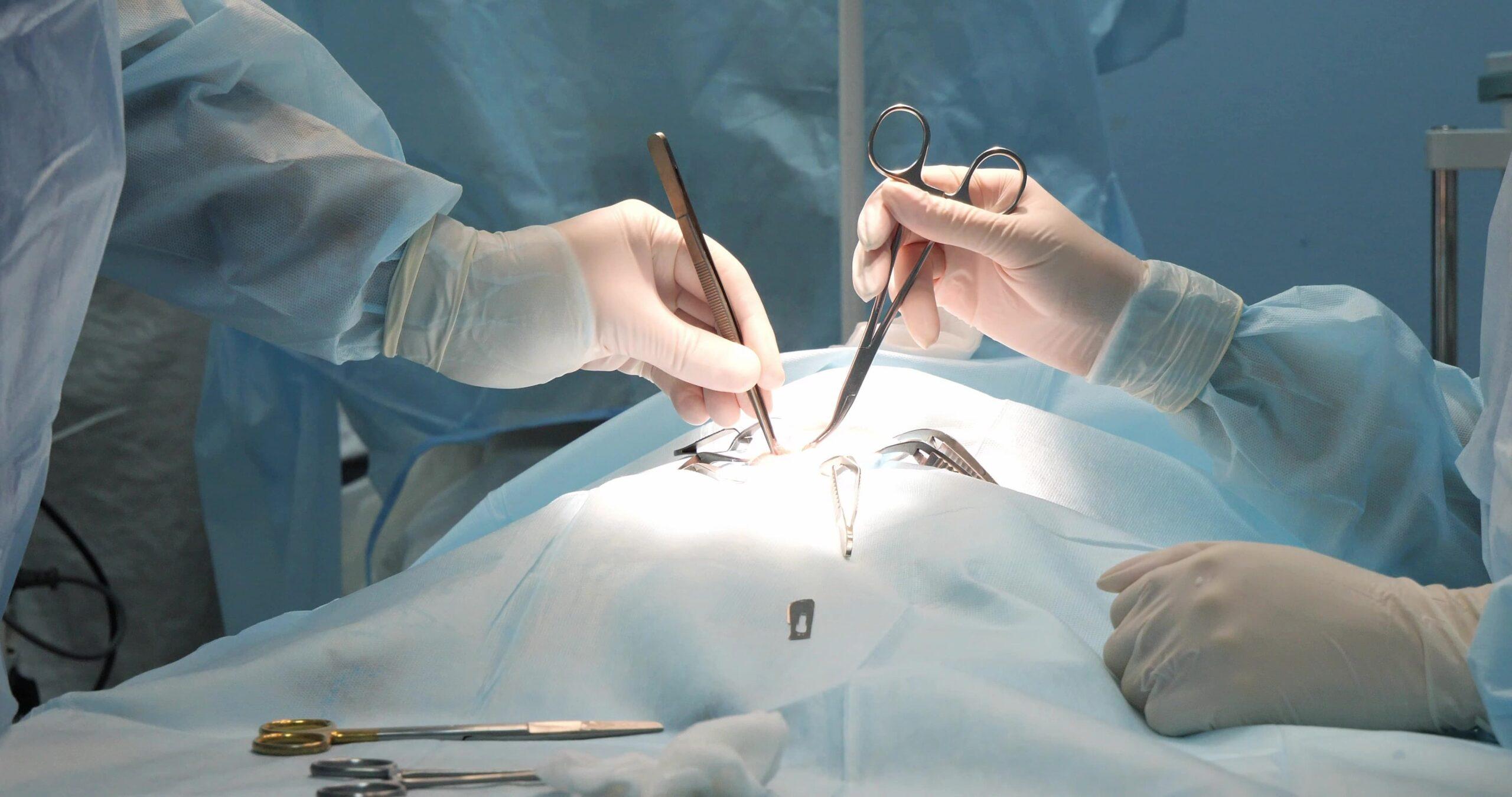
Surgical Care for Horses & Farm Animals  

When an animal requires surgery, clear communication, careful planning, and experienced  veterinary care are essential. At Gulf Coast Equine Hospital, we provide surgical services for  horses and farm animals with a strong focus on safety, precision, pain management, and  recovery support throughout every stage of the process.  

Whether your animal requires a routine procedure or a more advanced surgical intervention, our  veterinary team works closely with owners to explain treatment recommendations, discuss  expectations, and develop an appropriate care plan based on the animal’s individual condition  and needs.

Surgical Services We Offer

Our hospital provides a range of surgical procedures for horses and farm animals, including:  

Arthroscopy  

Arthroscopy is a minimally invasive surgical procedure used to evaluate and treat joint  conditions in horses. Using a specialized camera and surgical instruments inserted through  small incisions, arthroscopy allows veterinarians to assess cartilage, bone, ligaments, and joint  structures directly.  

Arthroscopy may be recommended for:

  • Joint fragments.  
  • Osteochondrosis lesions.  
  • Chronic joint inflammation.
  • Cartilage injury.
  • Lameness evaluation and treatment.

Because the procedure uses smaller incisions and causes less tissue disruption than traditional  open surgery, arthroscopy often supports improved recovery and reduced post-operative  discomfort.

Castration

Castration is a common surgical procedure performed for reproductive management, herd  management, behavioral modification, and injury prevention. Depending on the species, age,  and health of the animal, the procedure may be performed standing or under general  anesthesia.  

Our veterinary team evaluates each animal individually and provides pain management, surgical  planning, and recovery guidance to support a safe outcome.

Dental Surgery

Advanced dental disease, fractured teeth, oral infection, and other dental abnormalities may require surgical treatment to restore comfort and oral function. Dental surgical procedures may include: 

  • Tooth extractions. 
  • Abscess treatment and drainage. 
  • Treatment of oral masses or growths. 
  • Advanced dental evaluation and imaging. 

We also perform professional cleanings under anesthesia to protect your pet’s teeth and gums.

Flexural & Angular Limb Deformity Correction  

Limb deformities in young animals can affect growth, joint alignment, movement, and long-term  soundness if left untreated. Early evaluation is important to determine the severity of the  condition and identify appropriate treatment options.  

Treatment recommendations may include:

  • Hoof management.
  • Splinting or supportive therapy.  
  • Nutritional management.  
  • Surgical correction when indicated.

Our veterinary team develops individualized treatment plans based on the animal’s age, growth  stage, severity of deformity, and long-term prognosis.

Laceration Repair

Traumatic injuries, deep lacerations, puncture wounds, and tissue damage often require prompt veterinary treatment to reduce infection risk and support proper healing. 

Surgical wound management may include: 

  • Wound cleaning and debridement. 
  • Suturing and tissue repair. 
  • Drainage placement. 
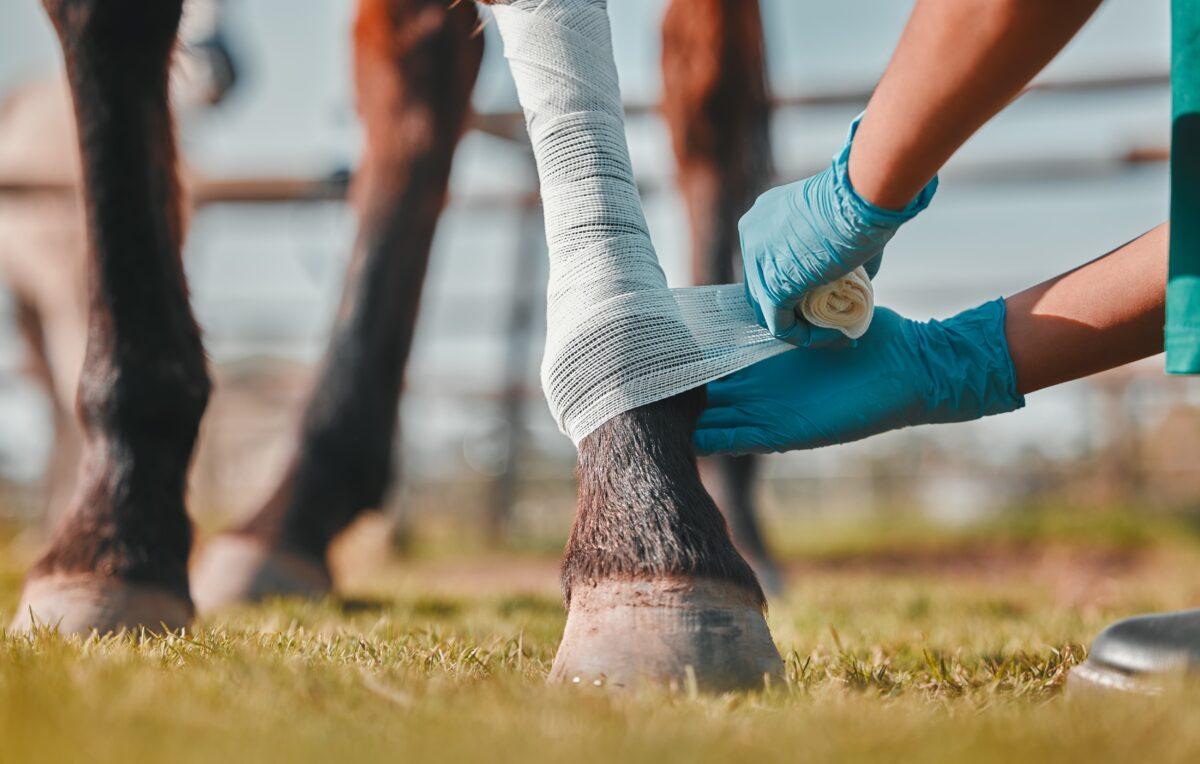
  • Bandaging and aftercare. 
  • Infection management. 

Early treatment is often important for improving healing outcomes and reducing long-term complications. 

Laparoscopy

Laparoscopy is a minimally invasive surgical technique that uses a small camera and  specialized instruments inserted through small incisions to examine or treat structures within the  abdomen.  

In horses, laparoscopy may be used for:

  • Reproductive procedures  
  • Cryptorchid surgery  
  • Biopsy collection  
  • Certain minimally invasive surgical interventions

Compared to traditional open surgery, laparoscopy may offer reduced tissue trauma, smaller  incisions, and shorter recovery times in appropriate cases.

Mass & Tumor Removal

Whether your animal has a visible lump or an internal growth discovered through imaging, we can surgically remove masses and send tissue samples for diagnostic testing. Early removal can prevent complications and provide peace of mind, especially if cancer is suspected.
Your Animal’s Safety Is Our Priority  

Patient safety is central to every surgical procedure performed at Gulf Coast Equine Hospital.  Our veterinary team uses careful monitoring, individualized anesthesia protocols, and  pre-surgical evaluation to help reduce risk and support safe recovery.

Prior to the Procedure

We may perform pre-anesthetic bloodwork to assess organ function and confirm your animal is a good candidate for anesthesia. We may also recommend additional diagnostics tailored to your animal’s individual health needs.

During Surgery

We may place an IV catheter for fluids and blood pressure support and use a custom anesthesia plan tailored for safety and comfort. Your animal’s vital signs—including heart rate, breathing, temperature, and oxygen levels—are closely monitored throughout. We also use warming techniques to keep them comfortable.

Post Surgery

We closely monitor your animal during recovery until they are fully awake and stable. Pain management is customized to your animal’s specific needs, and we’ll send you home with clear, written instructions to help guide you through the recovery process.

Pain Management & Recovery Support

Pain control is an essential component of surgical care. Appropriate pain management helps  improve comfort, reduce stress, and support recovery after surgery.  

Depending on the procedure and individual animal, pain management may include:

  • Anti-inflammatory medications.  
  • Local anesthetics.  
  • Systemic pain medications.  
  • Regenerative or rehabilitation therapies.  
  • Post-operative monitoring and reassessment.

Most animals recover well following surgery with appropriate monitoring, aftercare, and  follow-up support.

FAQs

Is Surgery Safe for Horses and Farm Animals? 

While every surgical procedure carries some level of risk, careful pre-surgical evaluation, anesthesia monitoring, and individualized treatment planning help improve safety and surgical outcomes. 

How Do I Prepare My Animal for Surgery? 

Our veterinary team will provide specific instructions prior to surgery, which may include fasting recommendations, medication guidance, transportation planning, and post-operative preparation. 

Will My Animal Experience Pain After Surgery? 

Some discomfort is expected following surgery, but pain management protocols are used before, during, and after procedures to help maintain comfort throughout recovery. 

How Long Does Recovery Take? 

Recovery time depends on the procedure performed, the animal’s age and health status, and the severity of the underlying condition. Our team will discuss expected recovery timelines and aftercare recommendations with you. 

How Do I Care for My Animal After Surgery? 

Post-operative care may include medication administration, incision monitoring, bandage care, activity restriction, and scheduled follow-up evaluations. Written instructions will be provided at discharge

Is Follow-Up Care Included After Surgery? 

Follow-up evaluations are often recommended to monitor healing, assess recovery progress, and address any post-operative concerns.

We Offer Flexible Payment Options

We believe every animal deserves top-notch care—and that cost shouldn’t stand in the way. That’s why we offer flexible payment options to help you plan and pay for your animal’s care with confidence. Click the button below to learn more about how we handle payments and animal insurance at our hospital.

Connect With Us

Veterinary Care, Your Way

Our goal is to make veterinary care convenient and accessible for all animal owners in Summerdale and Surrounding Communities. Choose the contact method that works best for you.

251-989-6213
Call or Text us

During our operating hours, call or text our hospital number and our team will be happy to assist you

Get the App
Download our app

Our app helps you stay on top of your animal’s care without missing a beat.

Call Us
Walk-In Visits

Walk-ins are welcome upon availability! To help avoid wait times, we recommend calling ahead when possible.