

Airway Endoscopy
Airway endoscopy allows our veterinary team to examine the upper respiratory tract using a specialized flexible camera system. This procedure is commonly used in horses experiencing respiratory noise, coughing, exercise intolerance, nasal discharge, or reduced performance.
Endoscopy may help evaluate:
- Upper airway function
- Inflammation or infection
- Bleeding within the airway
- Structural abnormalities
- Respiratory obstruction
- Sinus or nasal concerns
This diagnostic procedure provides real-time visualization of the airway and helps guide accurate diagnosis and treatment planning.
Coggins Testing for Horses
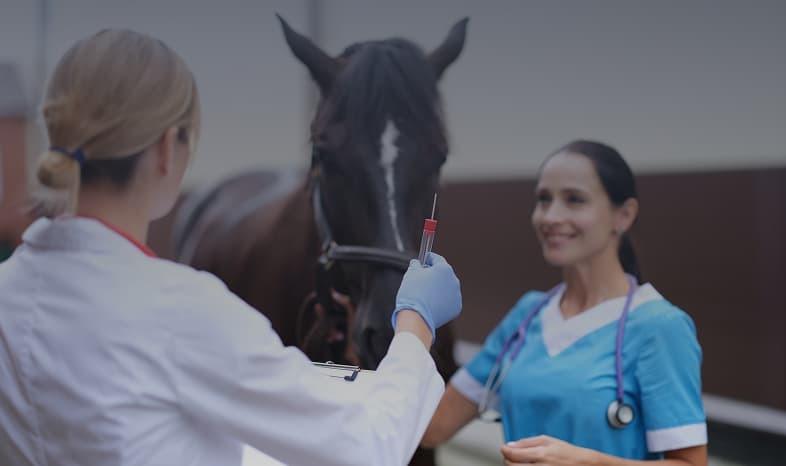
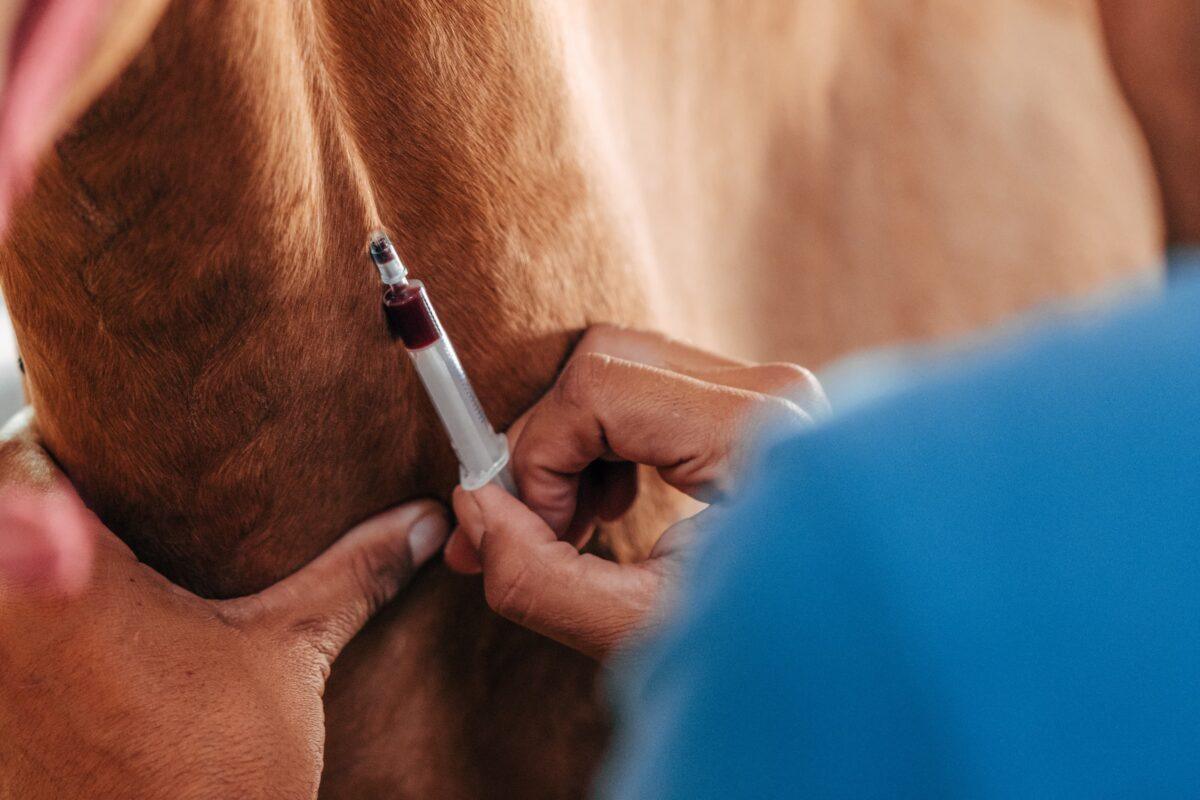
Coggins testing is a blood test used to detect Equine Infectious Anemia (EIA), a contagious viral disease that affects horses. Many boarding facilities, competitions, sales, and interstate travel regulations require current negative Coggins documentation.
Our team provides Coggins testing and health certificate support to help owners meet travel, event, and regulatory requirements while protecting equine health.
Gastroscopy
Gastroscopy is a diagnostic procedure used to evaluate the lining of the stomach for ulcers and other gastrointestinal abnormalities. Gastric ulcers are common in horses and may contribute to behavioral changes, poor performance, weight loss, appetite changes, or discomfort during riding and training.
During gastroscopy, a specialized camera is used to examine the stomach and upper gastrointestinal tract directly. This allows our veterinarians to accurately diagnose gastric ulcer disease and develop an appropriate treatment plan.
Ultrasounds
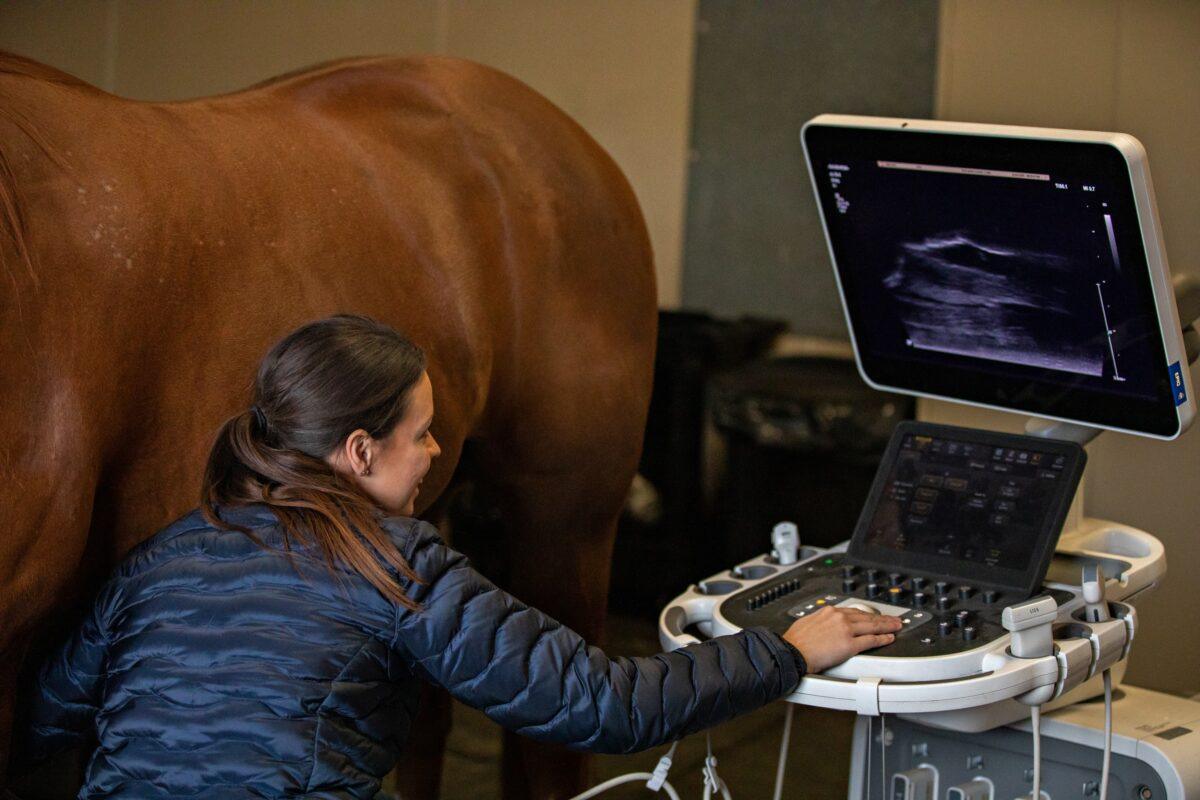
Ultrasounds are safe, non-invasive, and completely pain-free. Using sound waves, this technology lets us view your animal’s internal organs in real time—heart, kidneys, liver, bladder, and more. It’s useful for detecting fluid buildup, cysts, tumors, and even confirming or monitoring pregnancy.
Ultrasound often complements X-rays and other diagnostic tools for a more complete picture. Our skilled team applies a special gel and gently moves a handheld device (transducer) over the area of concern. The sound waves create echo patterns that translate into detailed images of internal structures. There’s no radiation, no known side effects, and sedation is rarely needed. We’ll simply shave a small area of your pet’s fur for optimal image quality.
X-Rays
Digital radiology provides high-quality images of your animal’s bones, heart, lungs, digestive tract, and urinary system—all with lower radiation exposure than traditional X-rays. This tool helps us detect fractures, blockages, or abnormalities, and is often used alongside other diagnostics to ensure a precise diagnosis.
Because we use digital technology, we can deliver faster results and better image clarity, helping you move forward with a treatment plan quickly.