
Abrasions, Cuts, or Open Wounds
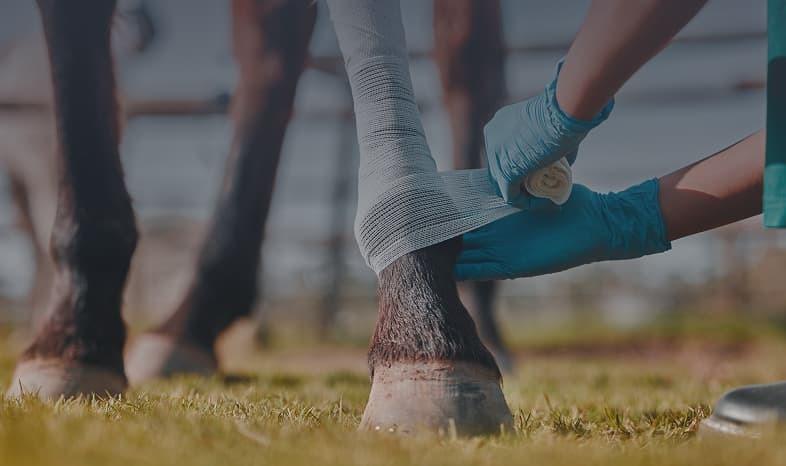
Even minor cuts or abrasions can quickly become infected if left untreated, especially if your pet or animal licks and scratches the area. Open wounds or visible bleeding may require stitches or antibiotics to prevent complications. If you notice a sore that isn’t healing or your animal is limping, excessively licking, or favoring a certain area, it’s time to bring them in.
Bumps, Lumps, or Swelling
Finding a lump or bump on your animal can be alarming. While not all masses are cancerous, it’s important to have them evaluated by a veterinarian. Some may be benign cysts or fatty tumors, but others could indicate infection or something more serious. Our team can assess the lump, perform diagnostic tests if needed, and discuss next steps with you. Early detection is key when it comes to your pet’s health.
Colic in Horses
Colic is one of the most common equine emergencies and can range from mild digestive discomfort to a life-threatening condition requiring immediate medical intervention. Signs of colic may include pawing, rolling, looking at the abdomen, restlessness, loss of appetite, sweating, or repeatedly lying down and standing back up.
Because the severity of colic is not always immediately obvious, prompt veterinary evaluation is important anytime a horse displays signs of abdominal pain. Our team can assess your horse’s condition, identify potential causes, and recommend appropriate medical or surgical treatment based on their individual needs
Choke in Horses
Choke occurs when feed or other material becomes lodged in a horse’s esophagus, preventing food and water from passing normally. Horses experiencing choke may cough, extend their neck, drool excessively, or have feed material coming from the nostrils.
Although choke is not typically the same as choking in humans, it still requires prompt veterinary attention. Left untreated, choke can lead to dehydration, aspiration pneumonia, or injury to the esophagus. Our team can safely evaluate and treat the obstruction while helping reduce the risk of complications.
Diarrhea in Horses & Farm Animals
Diarrhea in horses and farm animals can lead to dehydration, electrolyte imbalances, weight loss, and other serious complications if not treated promptly. Digestive upset may be associated with infection, parasites, dietary changes, stress, toxins, or underlying gastrointestinal disease.
If your animal is experiencing persistent diarrhea, weakness, reduced appetite, abdominal discomfort, or changes in manure consistency, veterinary evaluation is recommended. Our team can help determine the underlying cause and provide supportive treatment to aid recovery.
Eye Injuries
Eye injuries and infections should always be treated as urgent concerns in horses and farm animals. Redness, swelling, discharge, squinting, cloudiness, or sensitivity to light may indicate trauma, ulcers, infection, or inflammation within the eye.
Because eye conditions can progress quickly and may threaten vision if left untreated, prompt veterinary evaluation is important. Our team can identify the underlying issue and begin treatment to help protect your animal’s comfort and long-term eye health.
Labor & Delivery Complications
Complications during labor and delivery can quickly become serious for both the mother and offspring. Difficult labor, prolonged delivery, retained placenta, or signs of distress may require immediate veterinary intervention.
If your animal is experiencing complications during labor or delivery, our veterinary team can provide medical assessment, supportive care, and emergency treatment when necessary.
Lameness
Lameness can develop suddenly or gradually and may result from injury, hoof issues, joint disease, infection, or underlying musculoskeletal conditions. Even subtle changes in gait, posture, movement, or performance can indicate pain or discomfort.
Our veterinary team performs thorough lameness evaluations to help identify the source of the issue and recommend treatment options that support mobility, comfort, recovery, and long-term soundness.
Lethargy or Low Energy
When your normally energetic animal suddenly seems tired, disinterested, or unwilling to play or go for walks, it’s often a sign that something’s wrong. Infections, internal pain, or chronic conditions such as diabetes or anemia can be a link to lethargy. We take these signs seriously and will run diagnostics to determine what’s affecting your pet’s energy and overall wellness.
Loss of Appetite
If your animal is skipping meals or turning away from treats they normally love, it could indicate dental problems, gastrointestinal upset, organ dysfunction, or even emotional distress. A pet’s appetite is a significant indicator of health, so any sudden change deserves attention. Our team can assess your animal’s oral and internal health to get to the root of the issue and help them regain a healthy appetite.