

Microchipping

Accepting New Patients
Weekend Hours

Microchipping for Horses  

Even the most well-managed horses can become separated from their owners unexpectedly.  Accidents happen quickly, whether due to damaged fencing, transportation issues, severe  weather, natural disasters, or an unsecured gate. In these situations, permanent identification  can play an important role in helping horses return home safely.  

Microchipping provides a safe, reliable, and permanent form of identification that stays with your  horse for life. At Gulf Coast Equine Hospital, we offer equine microchipping services to help  support identification, ownership verification, and recovery if a horse is ever lost or displaced. 

Understanding microchipping

How Equine Microchips Work  

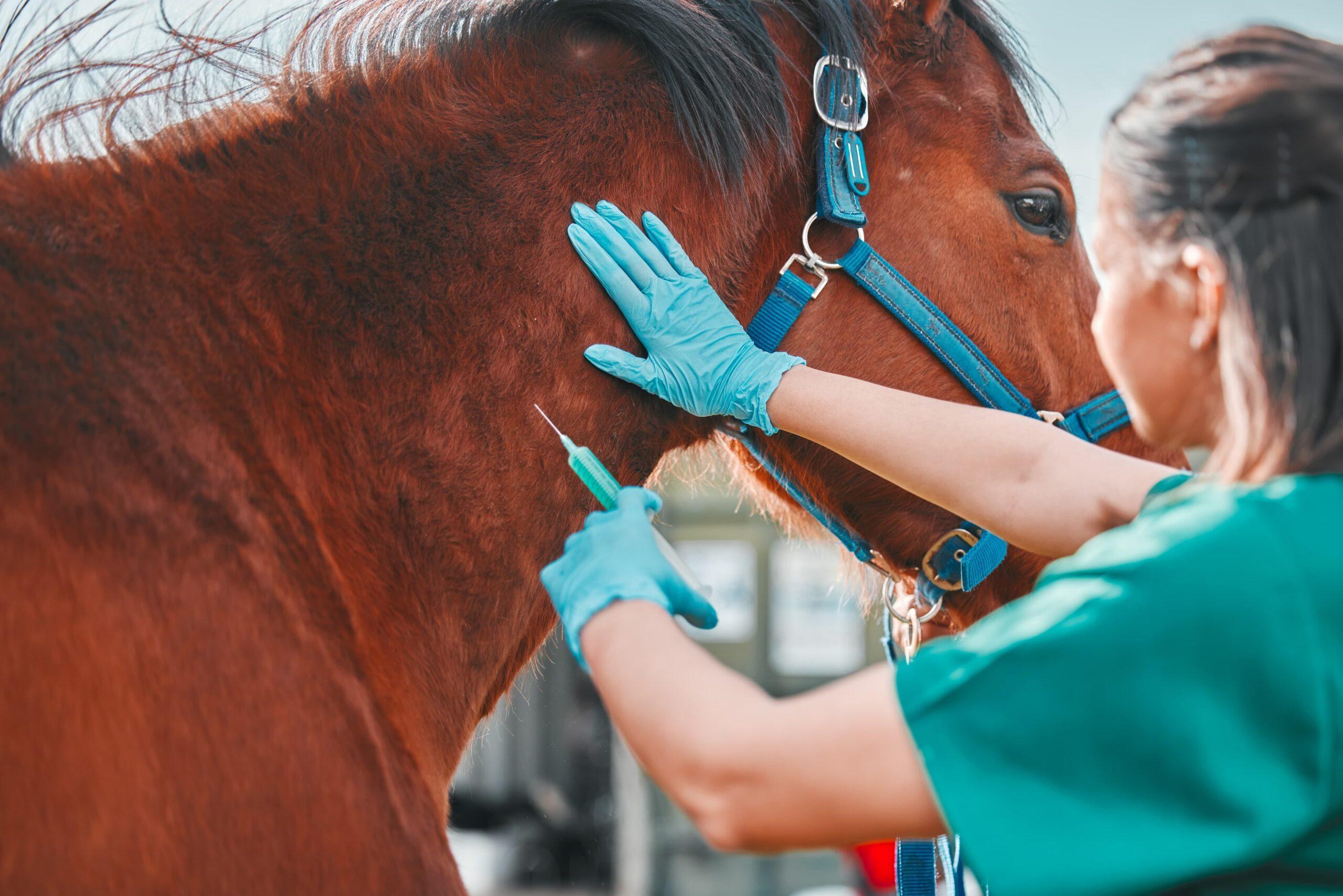
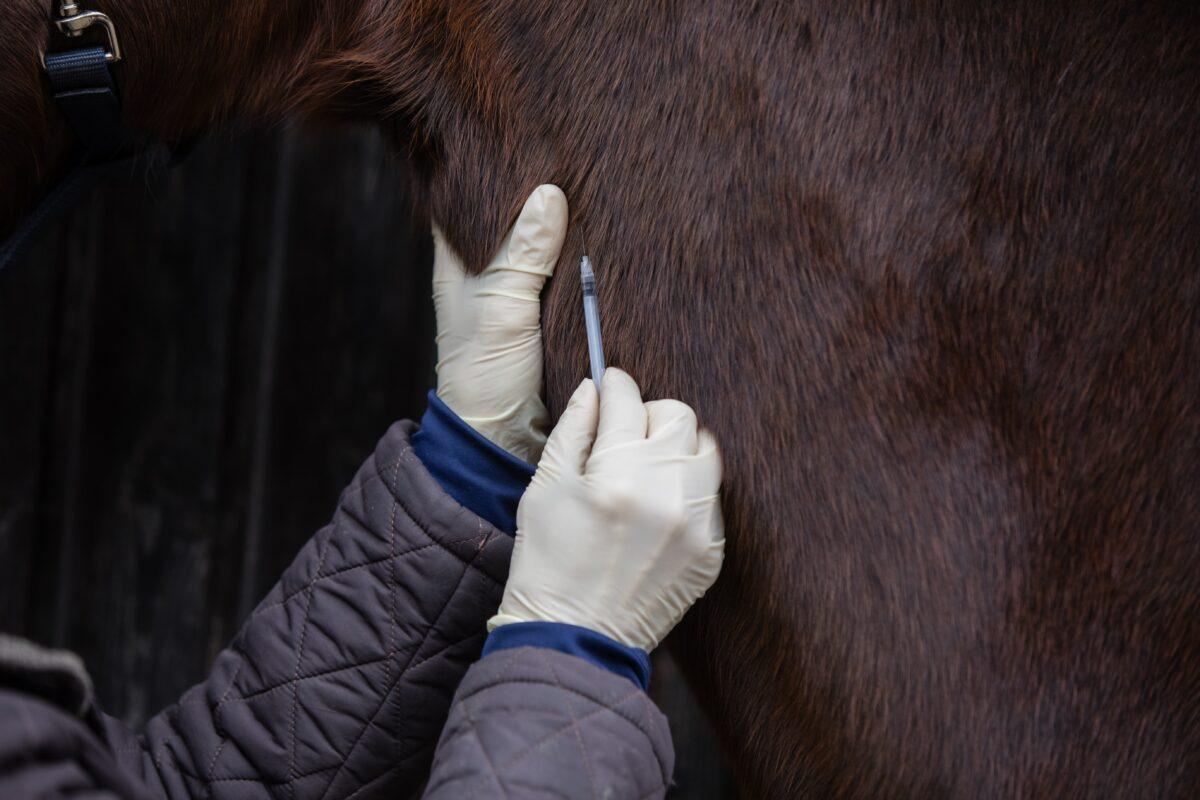
A microchip is a small electronic identification device, approximately the size of a grain of rice,  that is implanted beneath the skin, typically along the left side of the neck in horses. The  procedure is quick, minimally invasive, and similar to receiving a routine vaccination.  

Each microchip contains a unique identification number that can be read using a universal  microchip scanner. Veterinary hospitals, animal shelters, rescue organizations, law enforcement  agencies, and animal control personnel routinely use scanners to identify lost or displaced  animals.  

Once scanned, the identification number can be matched to the owner’s contact information  through the microchip registration database, helping facilitate reunification as quickly as  possible. 

Reasons why

Microchipping Matters 

While halters, identification tags, and other forms of visible identification remain important, they  can become damaged, removed, or lost over time. A microchip provides permanent  identification that cannot easily be altered or separated from the horse.  

Benefits of microchipping include:

  • Permanent identification  
  • Improved recovery and ownership verification  
  • Reliable identification during emergencies or natural disasters  
  • Support for travel, competition, and registration requirements in some organizations  
  • Quick access to registered owner information when scanned 

Microchipping is often recommended as part of a broader identification and emergency  preparedness plan. Many owners choose to use both visible identification and microchipping  together for added protection.

Safe, Reliable Equine Identification  

At Gulf Coast Equine Hospital, our goal is to help owners protect their horses through safe,  practical, and long-term identification solutions. If you are interested in microchipping or have  questions about the process, our veterinary team is here to help guide you through each step.

FAQs

At What Age Can a Horse Be Microchipped?  

Horses can often be microchipped at a young age, including as foals. Your veterinarian can help  determine appropriate timing based on your horse’s health and management needs.  

Should My Horse Still Wear Visible Identification? 

Yes. Halters, tags, and other visible forms of identification remain important because they allow immediate access to contact information. Microchips are best used as a permanent secondary form of identification.

We Offer Flexible Payment Options

We believe every animal deserves top-notch care—and that cost shouldn’t stand in the way. That’s why we offer flexible payment options to help you plan and pay for your animal’s care with confidence. Click the button below to learn more about how we handle payments and animal insurance at our hospital.

Connect With Us

Veterinary Care, Your Way

Our goal is to make veterinary care convenient and accessible for all animal owners in Summerdale and Surrounding Communities. Choose the contact method that works best for you.

251-989-6213
Call or Text us

During our operating hours, call or text our hospital number and our team will be happy to assist you

Get the App
Download our app

Our app helps you stay on top of your animal’s care without missing a beat.

Call Us
Walk-In Visits

Walk-ins are welcome upon availability! To help avoid wait times, we recommend calling ahead when possible.